PLA Settings
Temperatures, speeds and first-layer numbers for PLA, with the source for every figure.
PLA is the easiest filament to print and the hardest to give one answer about, because the four largest manufacturers do not agree.
Prusament PLA specifies a 40–60 °C bed. Polymaker PolyLite says 25–60. Bambu PLA Basic says 35–45. eSUN PLA+ says 45–60. Those ranges span 35 degrees and barely overlap, and they are not rough guidance — they are technical datasheets for materials with genuinely different formulations.
So the honest answer to "what bed temperature for PLA" is: look at the datasheet for the spool you bought. Everything on this site is attributed by brand and version rather than averaged into a number that suits nobody.
Where PLA actually fails
Not temperature. Two other things account for most bad PLA prints.
First layer. Almost always bed leveling or surface preparation, not heat. Raising the nozzle temperature to fix adhesion works by accident and gives you elephant's foot as the price.
Moisture. PLA absorbs less water than PETG or nylon, but a spool left open in a humid room for a month is a different material from the one you bought — brittle, stringy, and popping as it prints.
The two constraints that never move
Layer height stays under 80% of nozzle diameter, or layers do not bond reliably. And speed is bounded by volumetric flow: every increase has to come out of layer height or extrusion width, or the printer simply under-extrudes and you get a hollow-sounding part.
What PLA is not for
Anything that lives in a car in summer, anything structural under sustained load, anything outdoors. PLA softens around 60 °C and creeps under load well below that. PETG or ASA for those.
7 articles
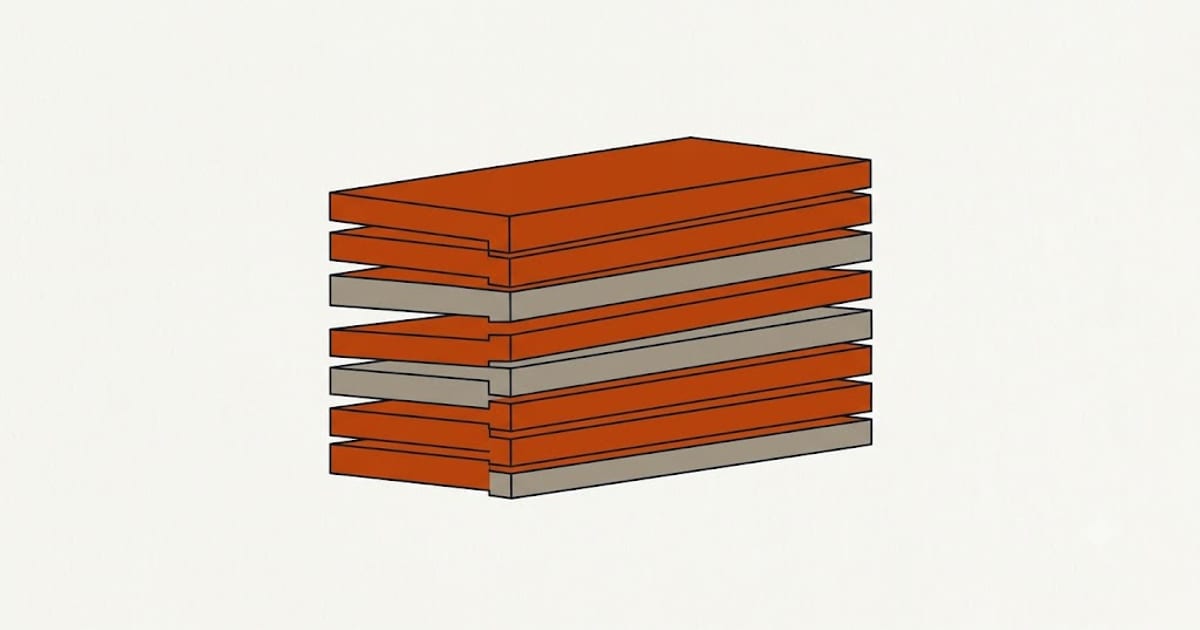 Weak Layer Adhesion in PLA — Four Causes, Ranked by How Often
A part that snaps cleanly between layers is telling you the plastic never actually fused. There are only a few ways that happens.
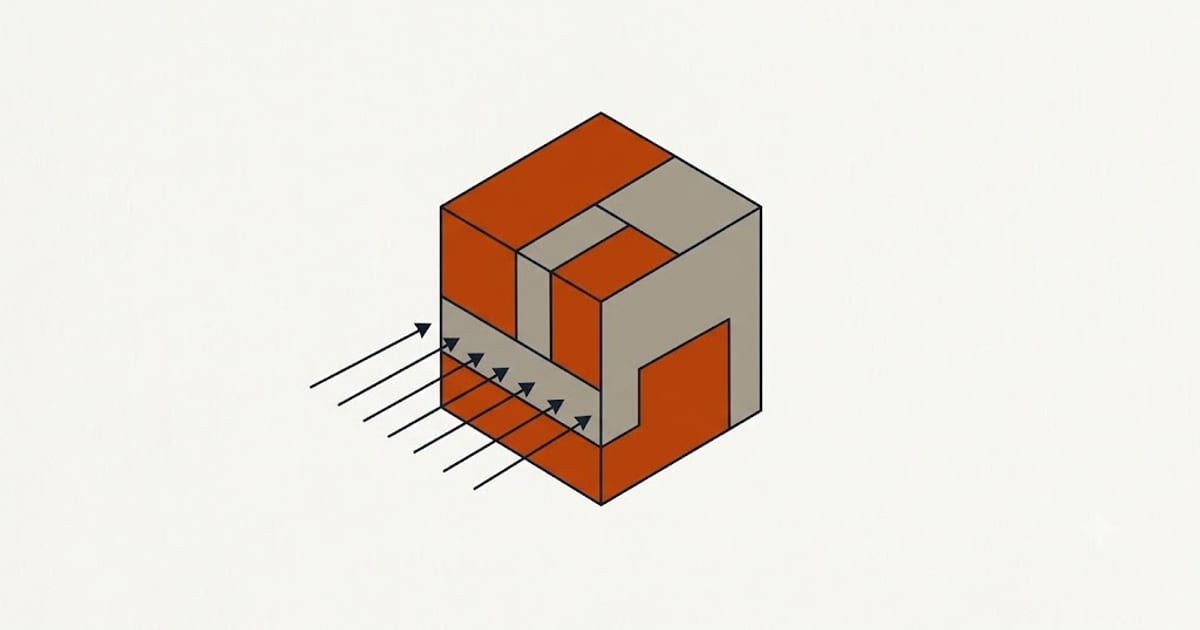 Part Cooling for PLA — 100% Is Right, Except When It Is Not
The same fan setting that gives clean overhangs gives weak layers. There is no setting that does both, which is why it is a per-part decision.
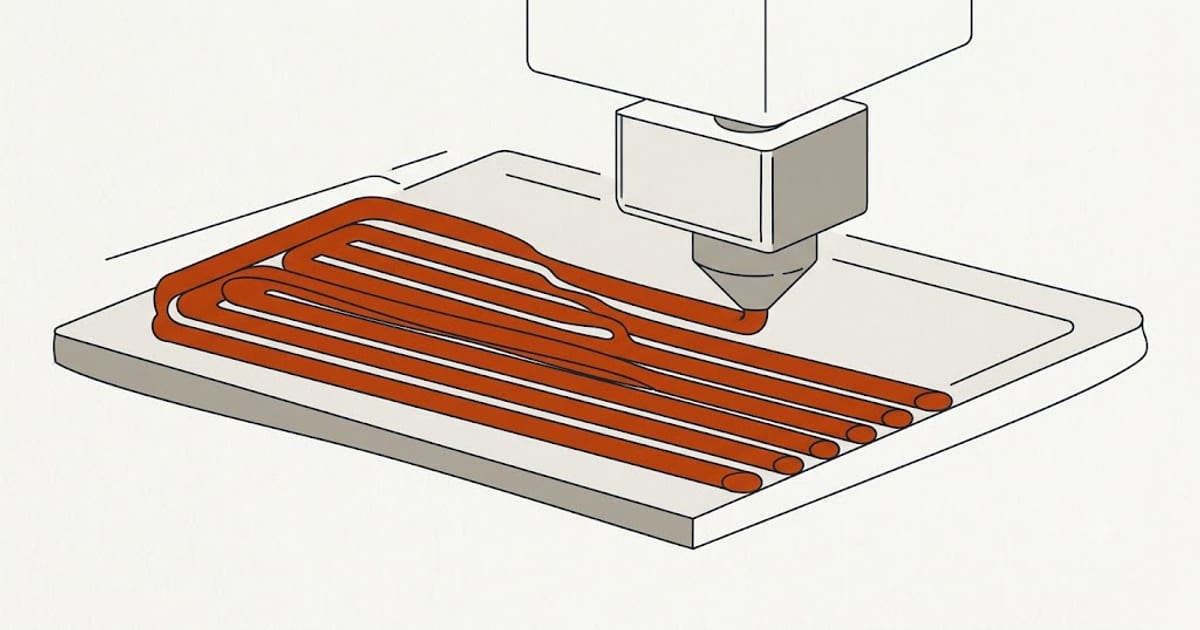 PLA First Layer Settings: The Five Numbers That Decide the Print
Most failed prints are decided in the first two minutes. Five settings control that window, and only one of them is worth adjusting by eye.
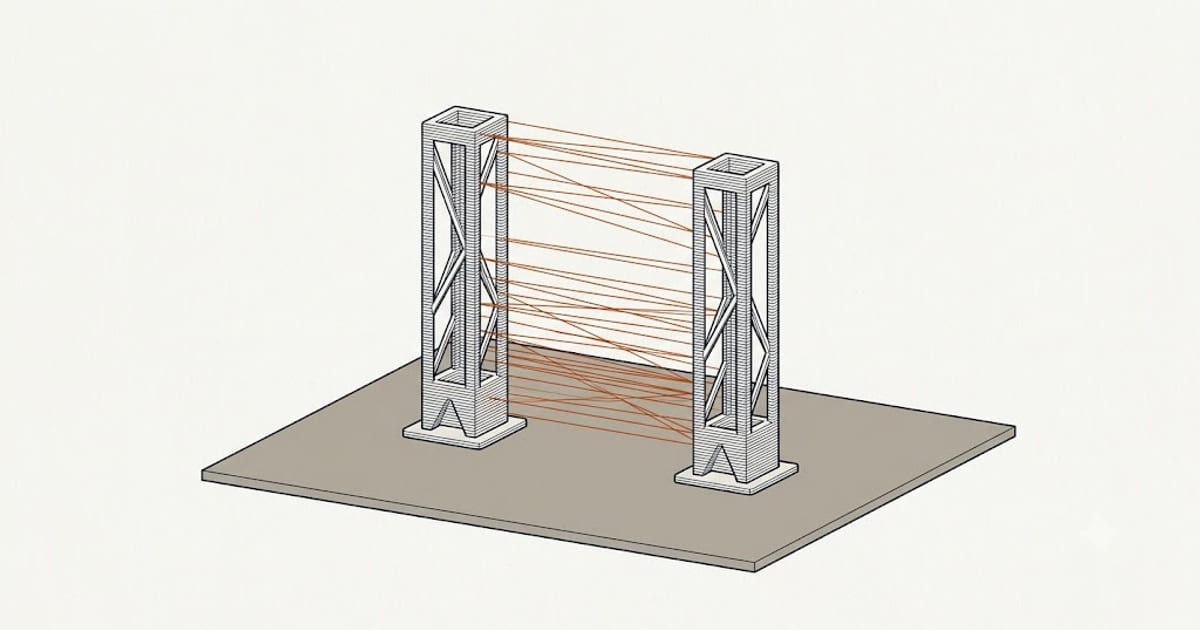 How to Fix PLA Stringing: Diagnose the Cause Before Changing Retraction
Almost everyone reaches for retraction distance first. It is the third most common cause. Here is how to tell which of the four you actually have.
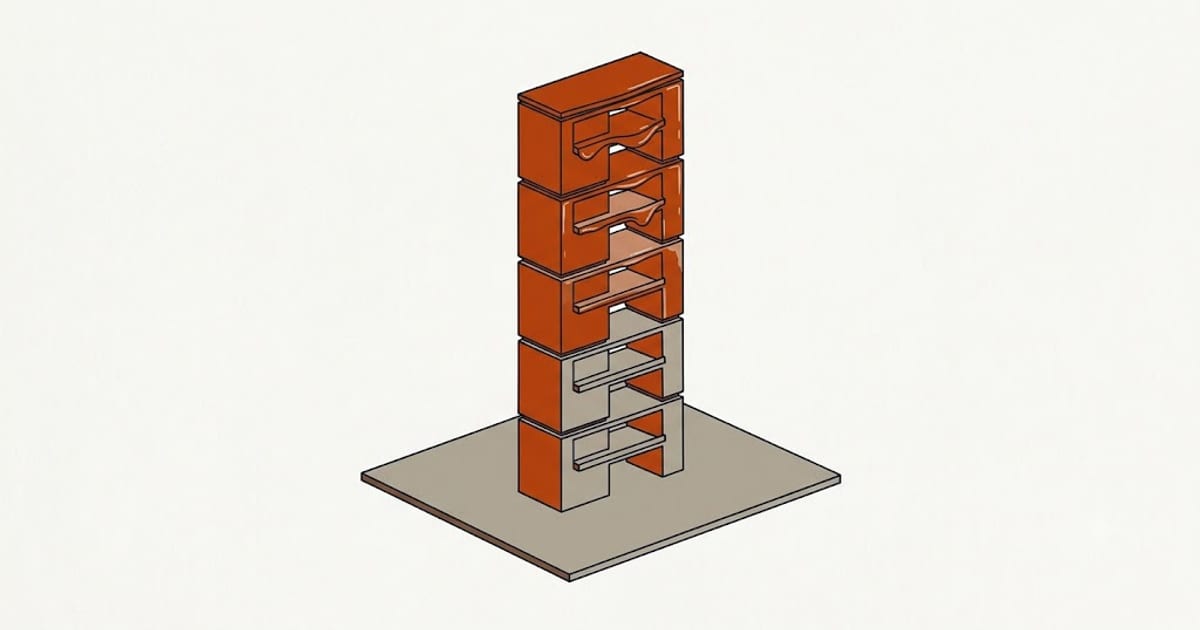 How to Print a PLA Temperature Tower (and Read It Properly)
It is the only test that accounts for your thermistor, your hot end and your room at the same time. It is also the test most often set up in a way that makes the result meaningless.
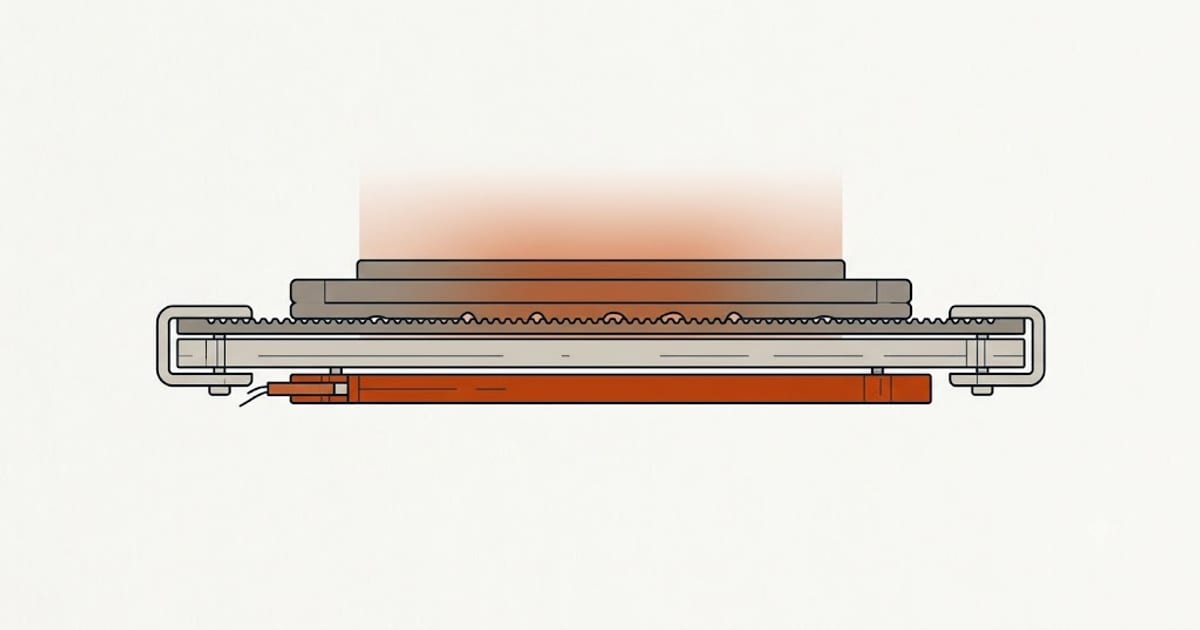 PLA Bed Temperature: Why the Four Big Brands Disagree by 35 °C
Bambu says 35–45 °C. eSUN says 45–60 °C. Both are right, because bed temperature is set by your build surface far more than by your filament.
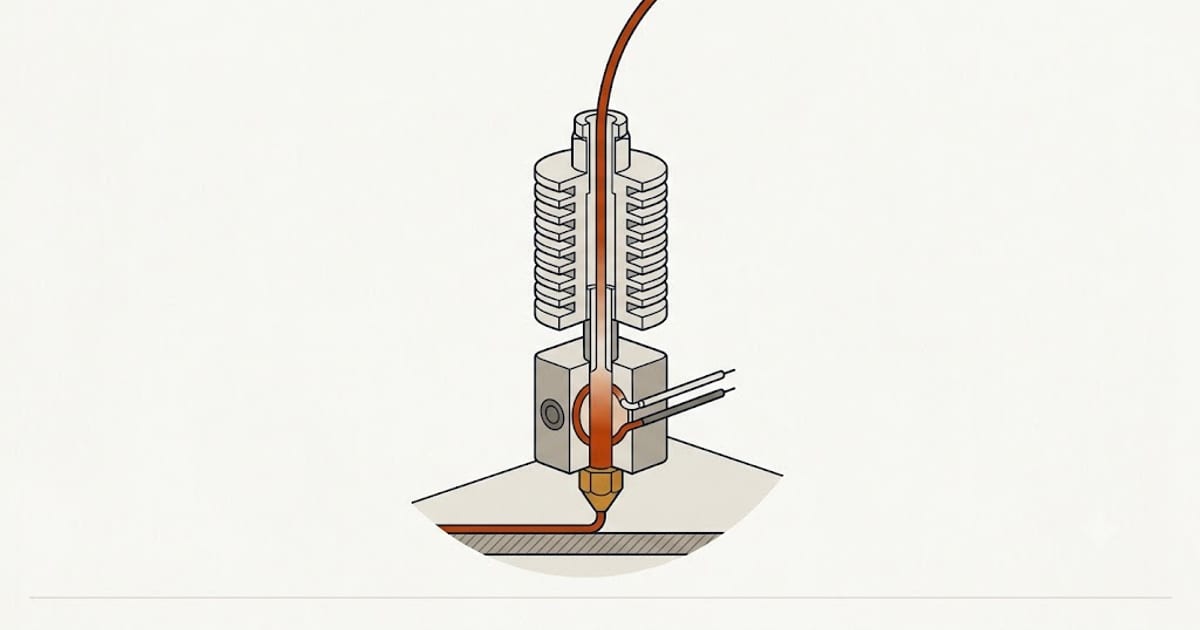 PLA Print Temperature: What Four Manufacturers Actually Publish
Every spool of PLA ships with a manufacturer-published temperature range, and the four biggest brands do not agree. Here is what each one actually prints on its data sheet, why the numbers differ, and how to find your own.