PETG Settings
PETG runs hotter, stickier and slower than PLA. What to change, and why.
PETG is usually the second filament people try, and it goes badly because it is printed as if it were hot PLA. It is a different material with four settings that move in the opposite direction.
What changes, and why
It sticks harder — much harder. PETG bonds chemically to bare PEI and to glass. That is not adhesion, it is welding, and forcing the part off takes the plate surface with it. The fix is to reduce adhesion deliberately: a glue-stick release layer, a textured plate, or a slightly higher first layer.
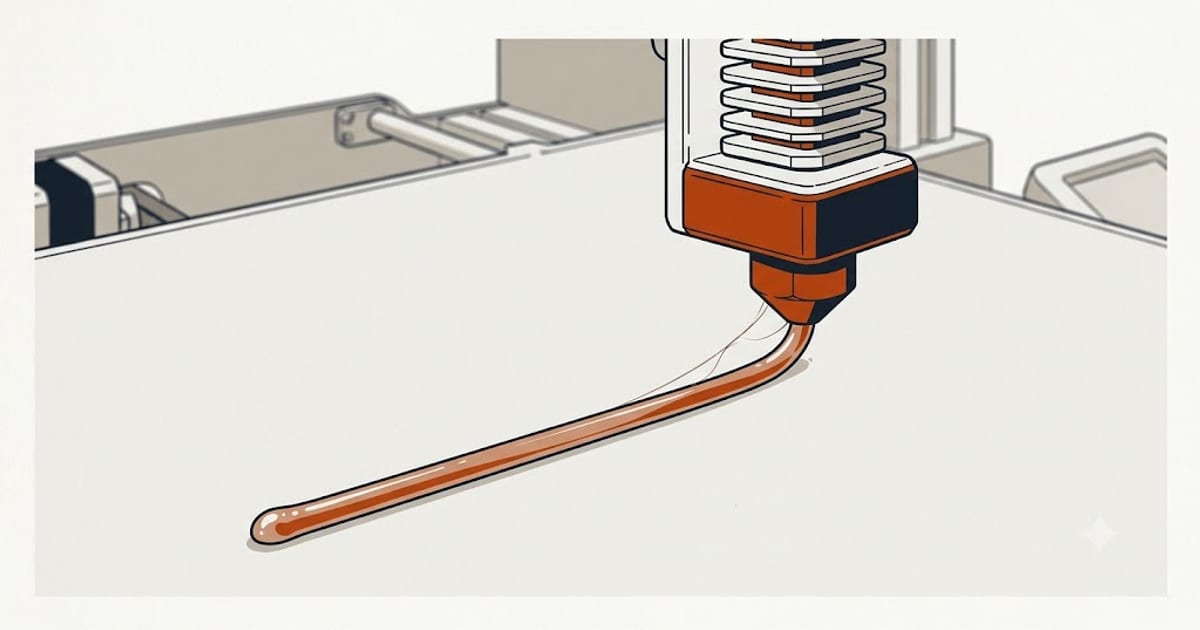
It strings. PETG's melt is more viscous and it oozes. Retraction helps, but drying the spool first helps far more, and tuning retraction on a wet spool is how people spend a weekend achieving nothing.
It wants less squish. PLA likes a first layer pressed thin. PETG pressed thin welds to the plate and leaves ridges the nozzle then drags through.
It wants slower. Not for quality — for layer bonding. PETG's strength advantage over PLA only appears if the layers actually fuse.
| Setting | PLA habit | PETG |
|---|---|---|
| Plate adhesion | Maximise | Deliberately reduce |
| First layer squish | Firm | Lighter |
| Speed | Fast | Slower |
| Part cooling | Full | Reduced |
The cooling one surprises people
PLA prints best with the fan at 100%. PETG cooled that hard gets weak, delaminating layers — the fan freezes each layer before the next can bond into it. Somewhere around a third to a half is the usual starting point, and overhangs are the trade-off.
What you get for the trouble
Roughly 80 °C of heat resistance against PLA's 60, real toughness instead of brittleness, and outdoor durability PLA does not have. The pages below take one symptom at a time, starting with the spool rather than the slicer.
5 articles
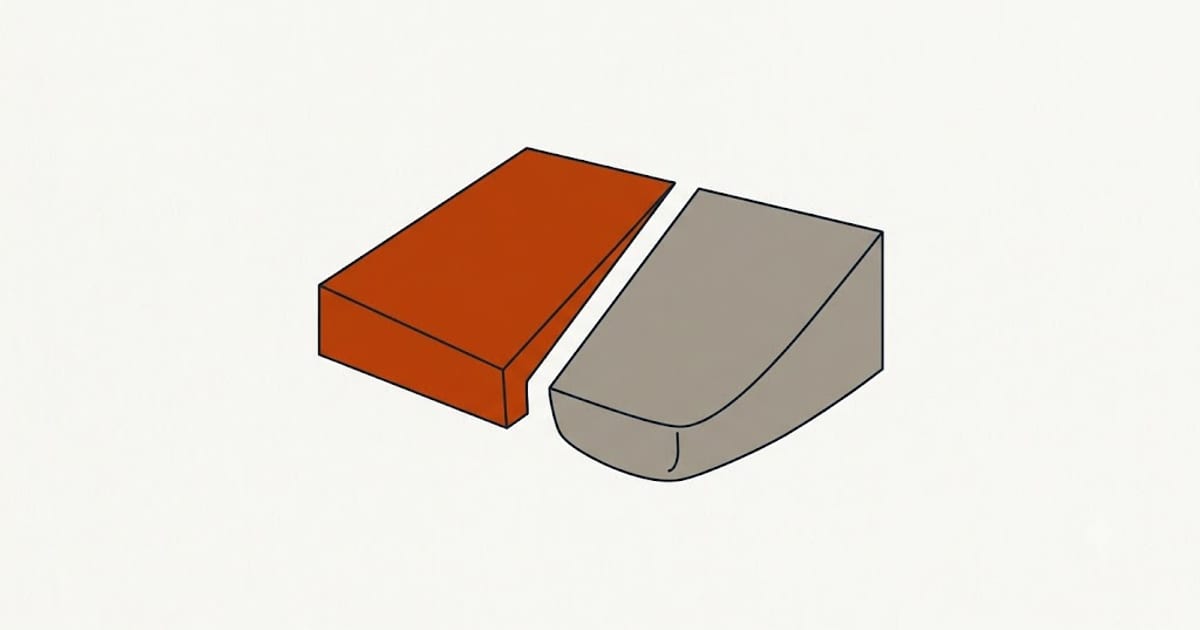 PETG Overhangs — More Fan Than You Think, Less Than PLA
PETG at zero fan bridges badly and droops. PETG at 100% delaminates. The useful setting is in between and it is narrower than PLA's.
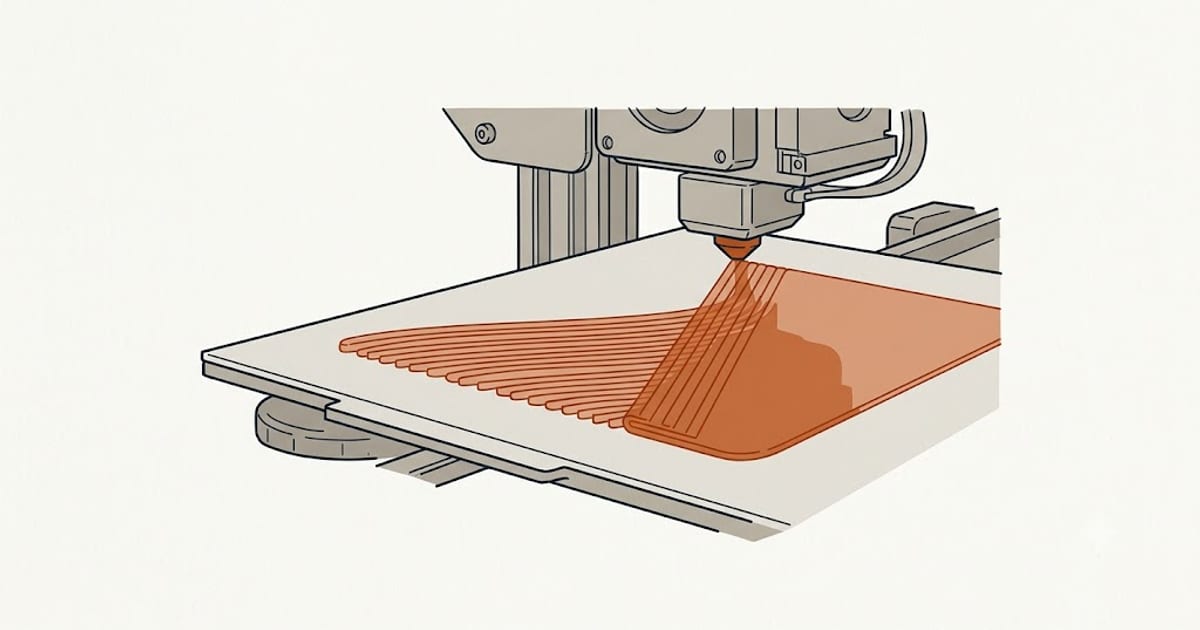 PETG First Layer: Higher, Slower, and Less Squish Than PLA
Almost every PETG first-layer problem comes from applying PLA habits. The most important one is squish, and PETG wants less of it, not more.
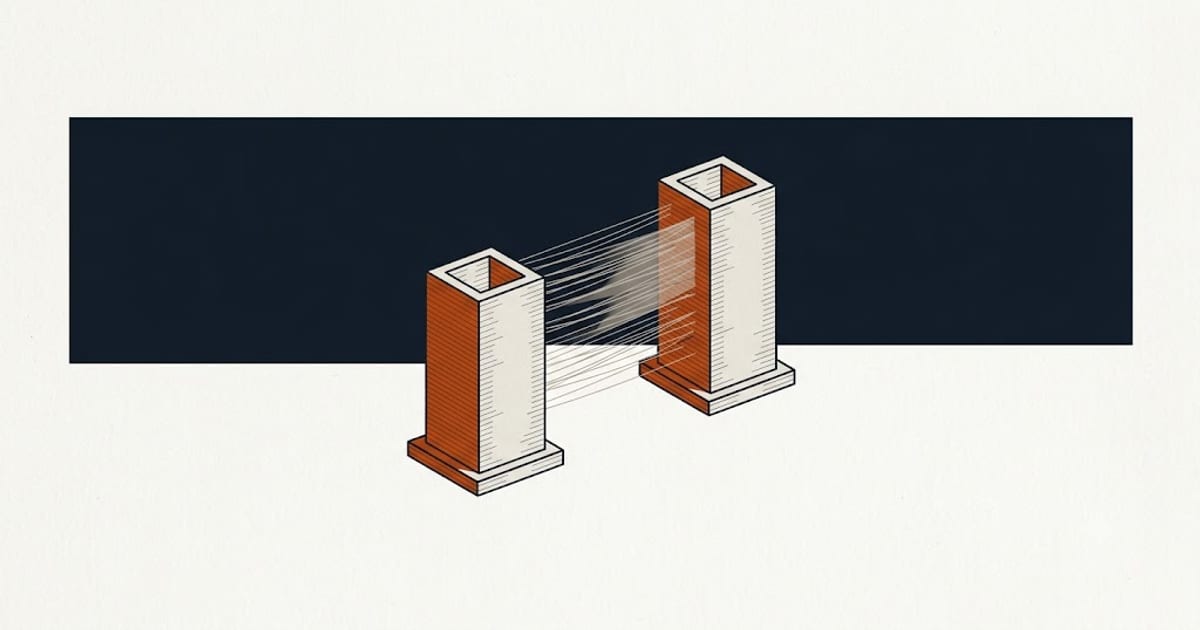 Fixing PETG Stringing: Dry the Spool Before You Touch Retraction
PETG strings for two unrelated reasons and only one is a settings problem. Tuning retraction against a wet spool is tuning against a moving target.
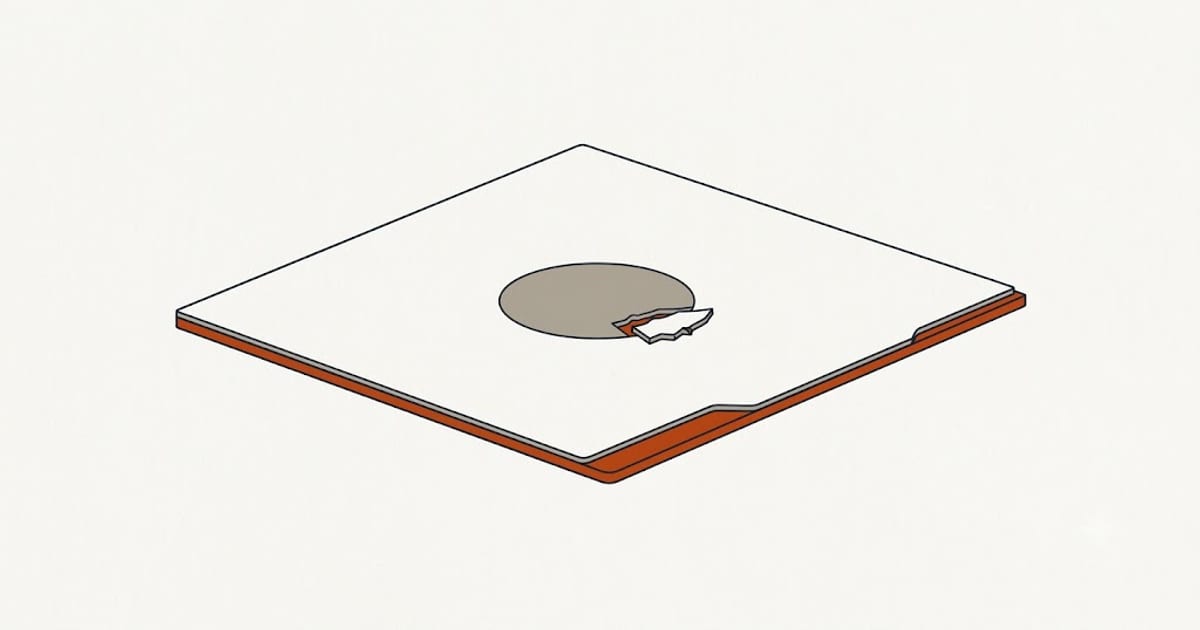 PETG Stuck to the Build Plate? It Bonded Chemically, and Force Will Take the Plate With It
With PLA the worry is whether it sticks. With PETG the worry is what comes off with it when you pry.
 PETG Print Settings: The Four Numbers That Are Not PLA
PETG is not a hotter PLA. Four settings behave differently, and copying a PLA profile with the temperature raised is the most common way people conclude PETG is difficult.