Filament Comparisons
Side-by-side numbers instead of vibes.
Filament comparisons go wrong when "stronger" is treated as one property. It is at least three, and materials trade them against each other.
The three axes that actually differ
Stiffness — how much force to bend it. PLA is the stiffest common filament, which is why a PLA part feels solid and a PETG one feels slightly springy.
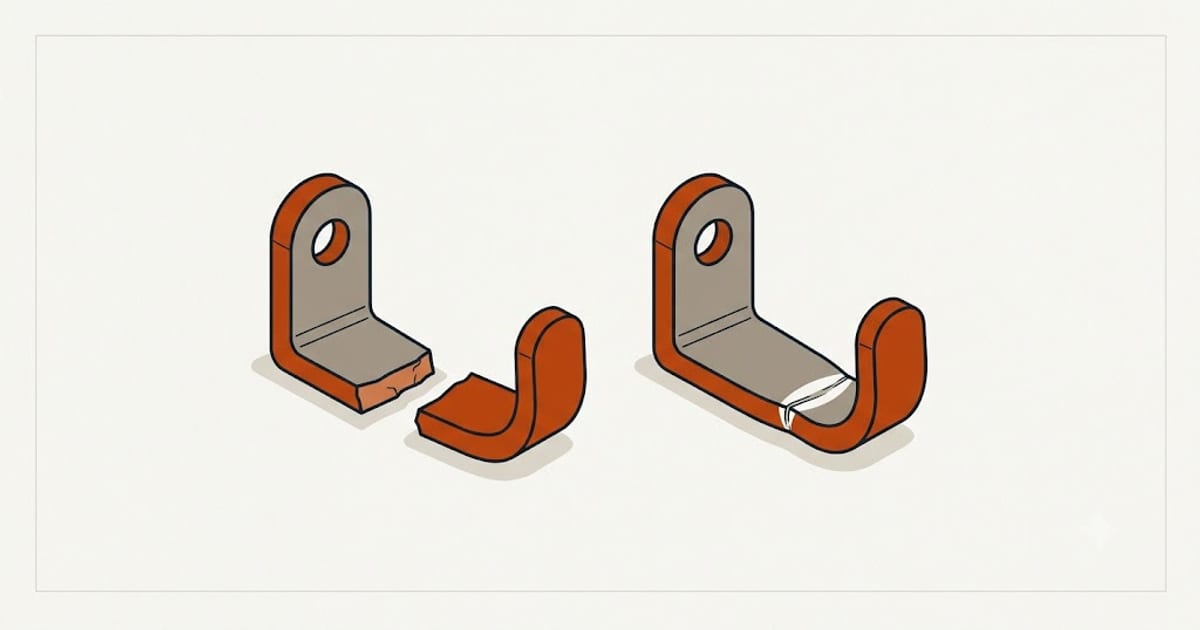
Toughness — how much energy before it breaks. Here the order inverts. PLA is brittle: stiff right up until it snaps. PETG and ABS deform first.
Heat resistance — where the part stops being a part. This is the one that decides most real choices:
| Material | Glass transition | Survives a parked car |
|---|---|---|
| PLA | ~60 °C | No |
| PETG | ~80 °C | Usually |
| ABS / ASA | ~105 °C | Yes |
Why "PLA is stronger than ABS" and "ABS is stronger than PLA" are both true
Measured in a tensile test at room temperature, PLA wins. Dropped on a hard floor, ABS wins. The tests measure different properties and both get reported as strength.
If a part fails by bending too far, you want stiffness. If it fails by cracking, you want toughness. Those point at different filaments.
The printability tax
ABS and ASA need an enclosure — not for quality but to stop the layers separating as the part cools unevenly. That requirement is a bigger practical difference than any number in a datasheet, because it decides whether your printer can run the material at all.
ASA is ABS with UV resistance, and it is the only common filament in this group that survives outdoors long-term.
The pages below take one pairing at a time, with the numbers side by side rather than a verdict.
5 articles
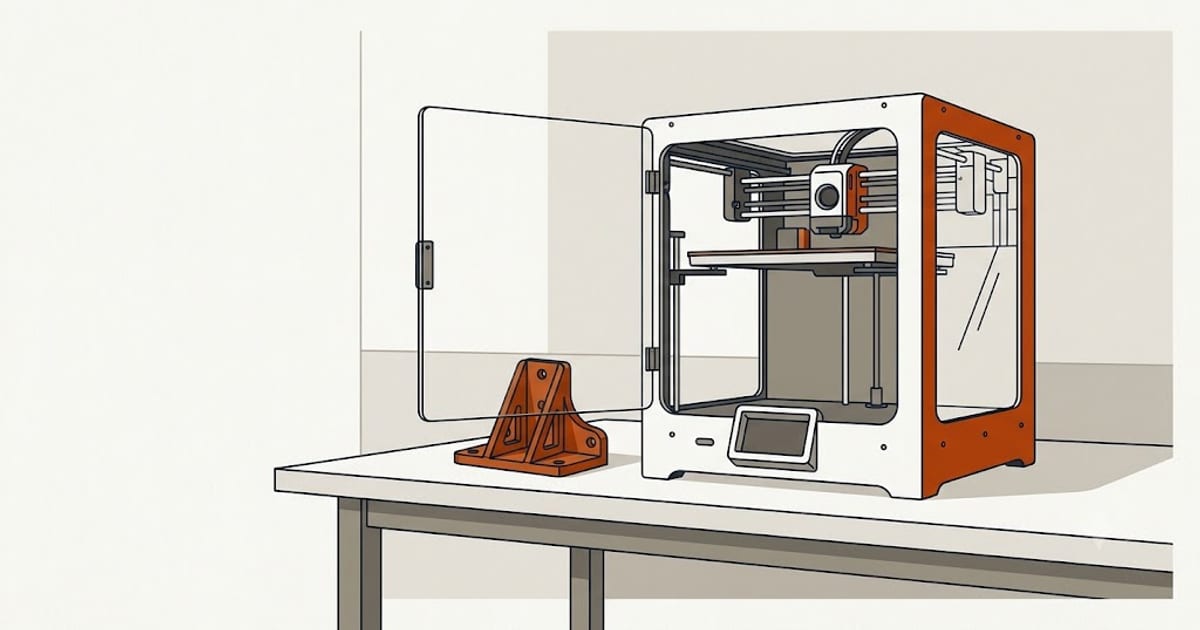 PETG or ABS? PETG Covers Most of What People Buy ABS For
There is a real gap between 80 °C and 100 °C where only ABS will do. Below it, PETG does the same job without an enclosure or styrene.
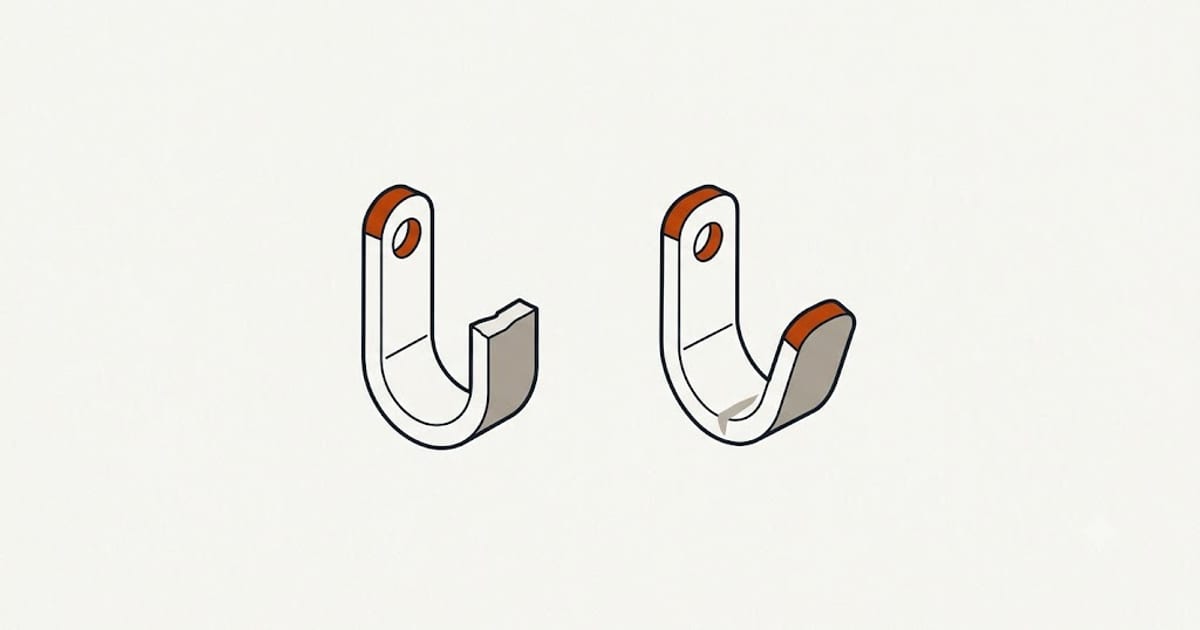 PLA vs PLA+: A Different Material Wearing the Same Name
PLA+ is not a grade of PLA. It is a toughened blend that needs more heat, and treating it like plain PLA is a common cause of weak layers.
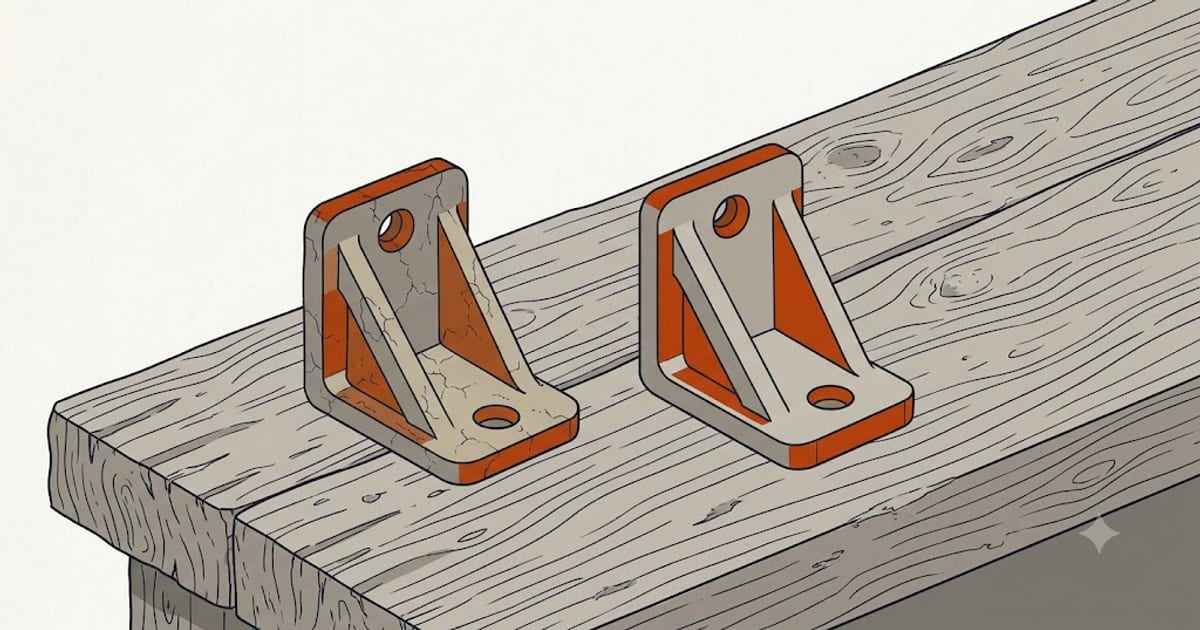 ABS or ASA? Nearly Identical to Print, and Only One Survives Sunlight
They print almost the same and cost about the same. One yellows and goes brittle outdoors within months; the other does not.
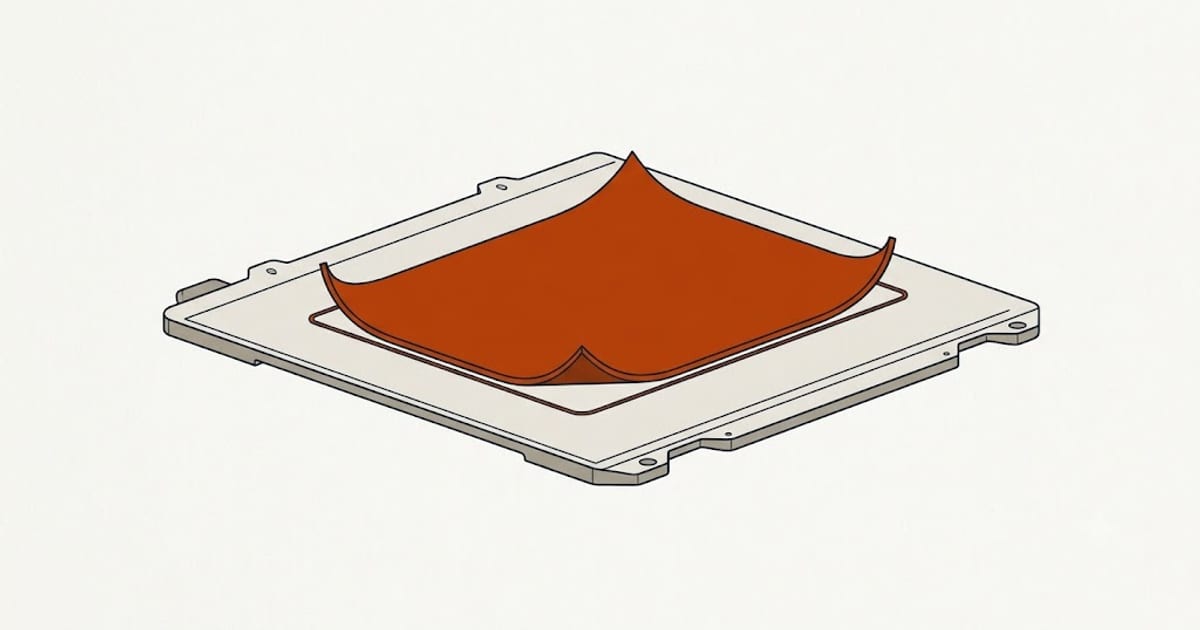 PLA vs ABS: One Is Easy and Melts in a Car, the Other Is Neither
ABS survives temperatures PLA cannot approach and demands an enclosure, ventilation and patience to get there. For most parts that trade is not worth making.
 PLA vs PETG: Stiffer Is Not Stronger, and That Is the Whole Decision
PLA tests higher in tensile strength than PETG and still fails first in most functional parts. Once you separate stiffness from toughness, the choice stops being close.